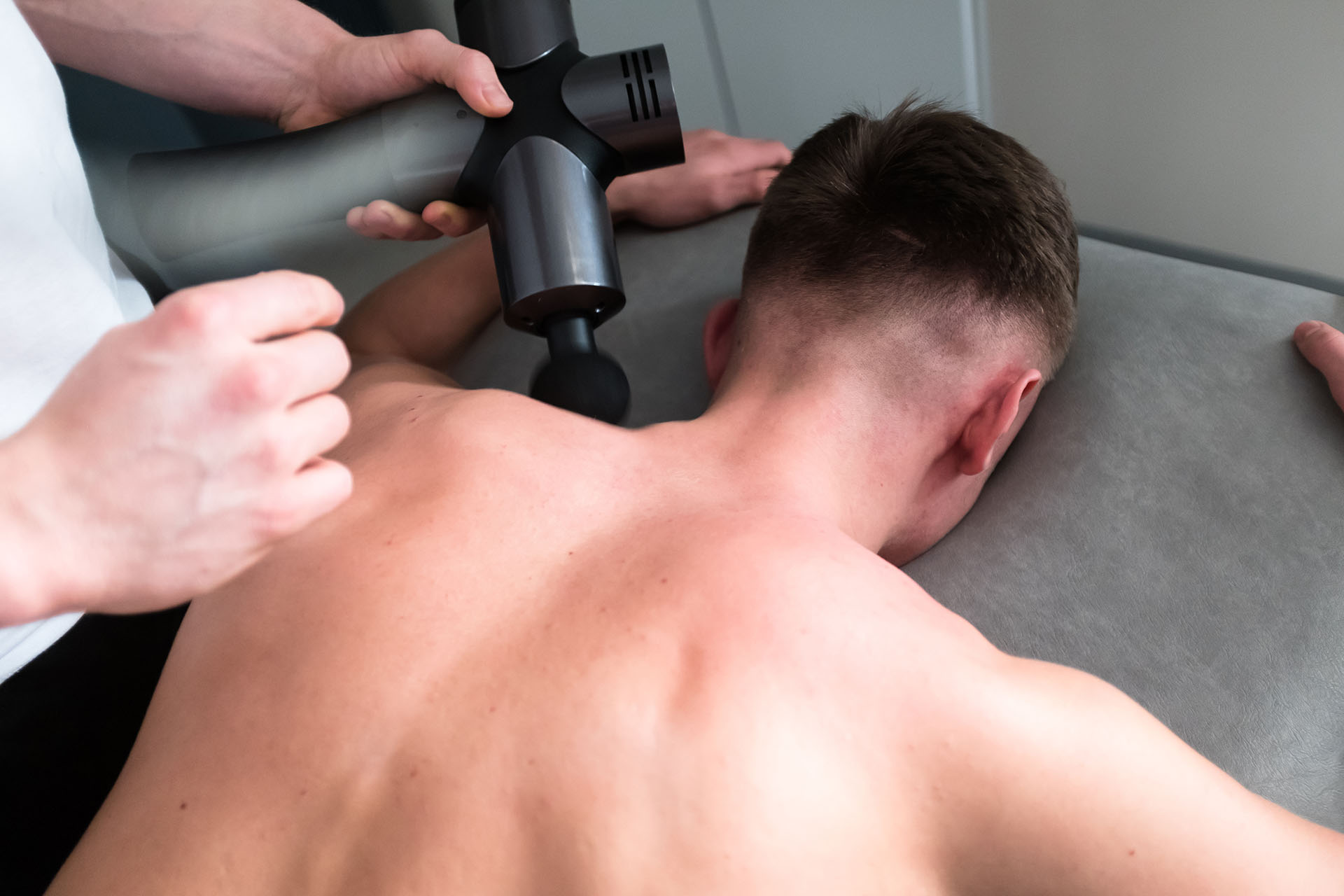
Dealing with chronic pain? Top pain management in Melbourne clinics now offers instant-result treatments designed to relieve pain quickly and effectively. Using advanced techniques and modern equipment, skilled practitioners target the source of their discomfort, not just the symptoms.

Whether it is back pain, joint issues, migraines, or sports injuries, a reliable pain management clinic in Melbourne delivers accurate pain-relieving treatments that provide immediate relief so they can get back to what matters most. The goal is lasting comfort, helping them move freely and live pain-free.
Well-known pain management clinic near me provide personalised care plans and expert guidance that feel the difference from the very first session. People should visit a trusted physiotherapy clinic for instant-result pain management that experiences fast relief with lasting comfort.
Advantages of Pain Management and Physiotherapy Services:
Pain management therapists help people heal in many ways. Therapists trained and skilled in assessing, identifying, and managing these complicated problems work at well-respected clinics. They take a personal, comprehensive approach, dealing not just with symptoms but with the root causes.
These clinics have a full assessment and a specific plan to determine the nature and severity of the disease or injury. It enables the development of personalised treatment regimens that evolve as the patient improves.
Therapists carefully observe patients as they recover from serious illness or surgery and slowly rehabilitate them to take care of side effects like joint dysfunction, muscular atrophy and persistent pain.
They also provide coping methods and psychological support, recognising the link between chronic pain, disability and mental health.
Physiotherapy in daily life: The benefits
Fully qualified orthopaedic physiotherapists work to identify the underlying causes of muscular pain management to give patients the skills they need to manage their problems, thus improving their general health, speeding up recovery and reducing the chances of long-term disability. Their work means patients experience less pain and achieve better long-term health outcomes, helping them regain independence and return to work or sport.
To summarise, clients should conduct a detailed market survey to find a reliable musculoskeletal rehabilitation and physiotherapy clinic so that they can receive excellent therapy and treatment through comprehensive rehabilitation methods, tailor-made treatment regimens, and professional assessments.